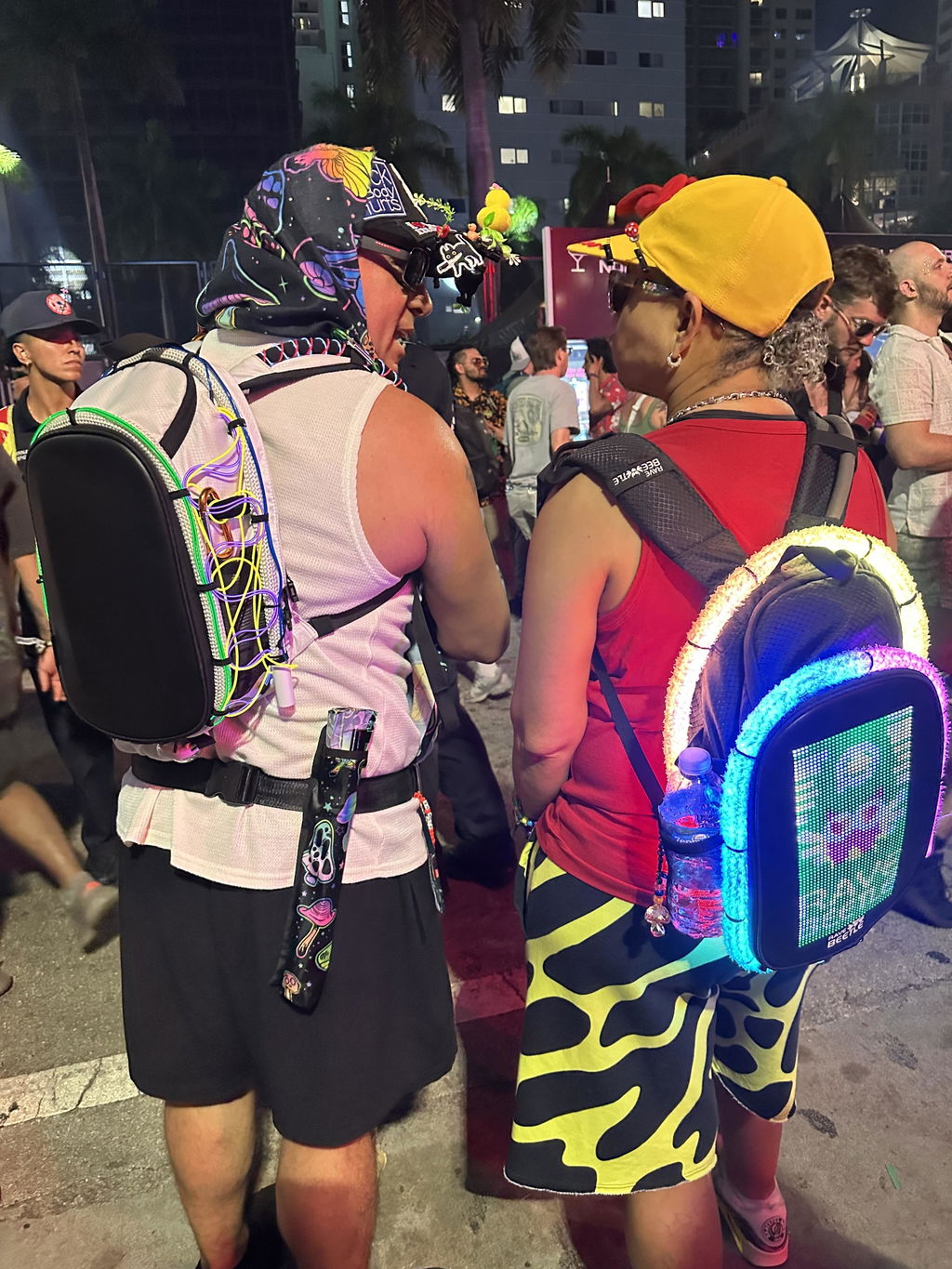
If you have been raving for more than a few years, you already know the truth: festival culture has fundamentally changed.
When we talk about the "good old days" of electronic music, it is easy to get lost in nostalgia. We picture a primitive era of uncoordinated outfits, carefree underground vibes, and complete disconnection from the outside world. But if we are being honest about the timeline, a decade ago was the mid-2010s. The EDM boom was already a massive, corporate juggernaut. Smartphones were in every pocket, Instagram was shaping culture, and EDC Vegas was already a neon metropolis.
The real evolution of festival culture hasn't been a slow, gentle shift. It has been a turbulent, hyper-accelerated transformation, heavily defined by the post-pandemic return to live events. Today, the landscape is marked by the "TikTok-ification" of the dance floor, massive corporate consolidation, an epidemic of highly organized phone thieves, and a tense battle between authentic community connection and digital clout-chasing.
As the culture has transformed, so has the way we prepare for it. The gear we carry on our backs is no longer just a floppy bag to hold water. It has become a survival kit, a shield against pickpockets, and a highly customizable canvas for radical self-expression.
To understand why modern festival gear looks and functions the way it does, we have to look honestly at the raw, unfiltered reality of how the festival landscape actually changed—and what it takes to protect the vibe today.
1. The TikTok-ification of the Dance Floor
If you ask any veteran raver what the biggest vibe-shift has been in recent years, the answer is usually unanimous: the screen barrier.
The post-COVID return to live music coincided perfectly with the global dominance of short-form vertical video. This changed the fundamental psychology of the festival crowd. In the mid-2010s, social media use at festivals was mostly retrospective—you took a few group photos, uploaded them to a Facebook album or Instagram the next day, and spent the rest of the night actually dancing.
Today, the festival floor can occasionally feel like a content studio. The rise of "Main Character Syndrome" has disrupted the flow of the crowd. During iconic tracks or massive bass drops, the view of the stage is often obstructed by thousands of glowing rectangles. The pressure to look effortlessly cool or wildly energetic for a 15-second clip has, for many, replaced the raw, sweaty, unglamorous joy of actually losing yourself in the music for six hours straight.
This constant urge to document everything has fundamentally disrupted the core electronic music philosophy: the dissolution of the ego under the lasers.
How gear had to respond:
True ravers who genuinely love the music are actively pushing back against this digital noise. They want to experience the set with their own eyes, not through a camera lens. This cultural exhaustion with screens is why high-quality, hands-free hydration gear has skyrocketed in popularity. When your phone is tucked away securely against your back, you are liberated from the urge to constantly check notifications or record every single transition. Good gear helps you disconnect from the algorithm and reconnect with the bassline.
2. The Dark Side: Organized Crime on the Dance Floor
We cannot talk about the evolution of festival culture without addressing the absolute elephant in the room: the phone thief epidemic.
A decade ago, if you lost your phone at a festival, it was usually because it slipped out of your pocket while you were jumping, or you accidentally left it at a water station. If it was stolen, it was a crime of opportunity by a lone bad actor. You could get away with wearing a loose drawstring bag or a basic hydration pack with exposed zippers.
Today, major festivals are explicitly targeted by highly sophisticated, organized international pickpocket syndicates.
These are not amateur thieves; they operate like corporate field operations. They deploy spotters, distraction teams, and runners. They move systematically through tightly packed crowds—especially at the mainstage rail or during high-energy drops—slicing open cheap backpacks, unzipping fanny packs, and lifting thousands of dollars worth of smartphones in a single night.
 This criminal reality has altered the psychological state of the modern festival-goer. It has introduced an undercurrent of paranoia to an environment that is supposed to be entirely about safety and freedom. It ruins the immersion when you have to constantly check if your phone is still in your pocket every time someone bumps into you.
How gear had to respond:
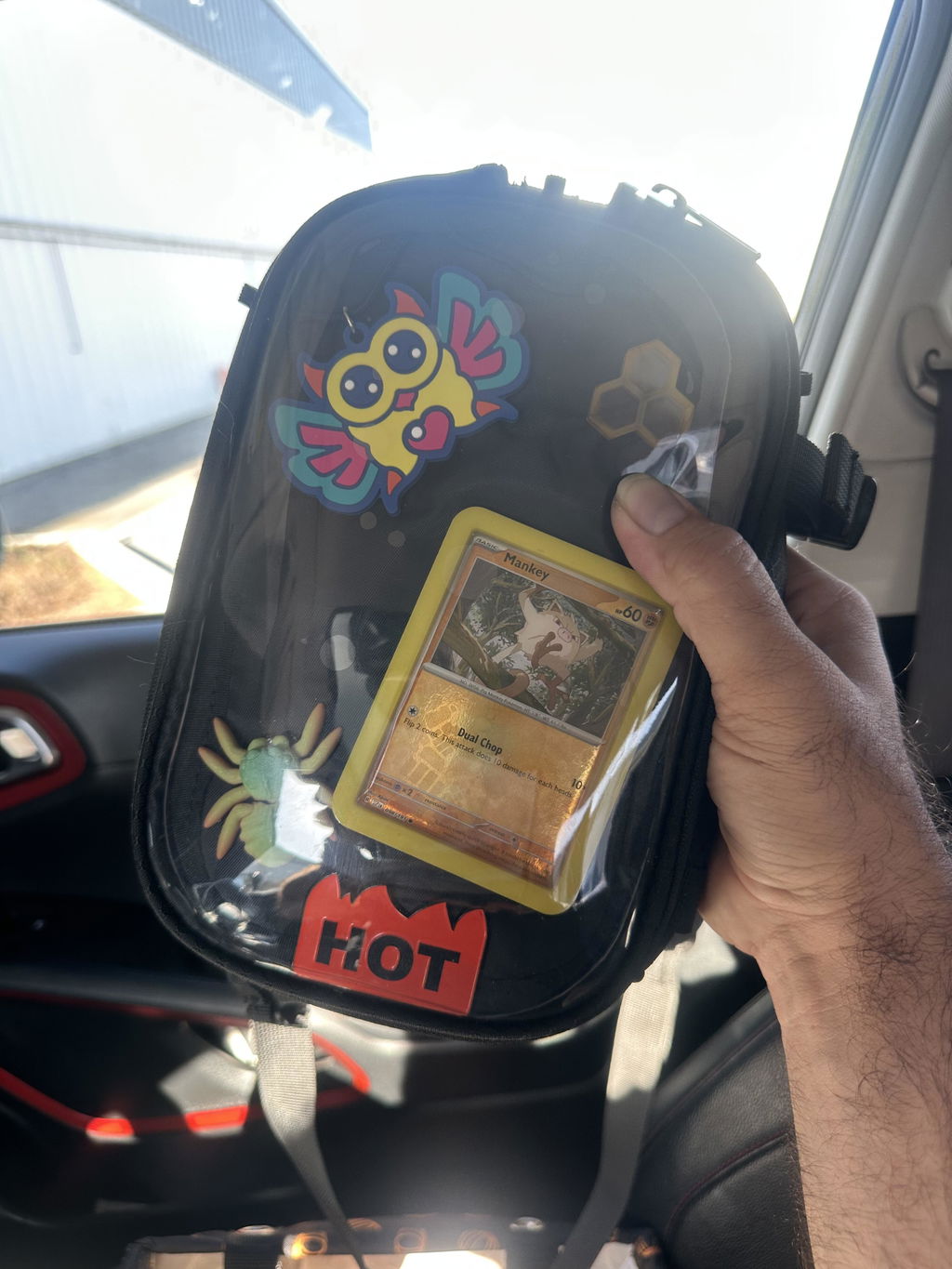
Because of this specific, deeply frustrating cultural shift, anti-theft design has graduated from a luxury feature to an absolute, non-negotiable necessity. Ravers no longer accept generic outdoor backpacks. The modern festival-goer demands gear that acts as a fortress. Hidden, body-side zippers, concealed compartments, and slash-resistant materials are now the standard. You need gear that allows you to drop your guard and lose yourself in the music without fear.
3. The Blockbuster Mainstage vs. The Search for Authenticity
Another profound shift in the scene is the homogenization of festival production.
Years ago, electronic music acts were celebrated for their wildly experimental, highly customized live visual setups. Artists treated their physical stage presence and custom hardware as an extension of their musical identity.
Today, major festival mainstages have evolved into massive, standardized monoliths of LED screens and pyrotechnics. Going to a major mainstage now can sometimes feel like sitting in a theater with 50,000 people watching a massive Hollywood blockbuster.
It is undeniably spectacular. The lasers are sharper, the bass is heavier, and the 4K LED walls deliver mind-melting visuals. But this technological leap has come at a cost. Because touring schedules are relentless and production logistics are insanely expensive, almost every mainstream DJ now plays on a standardized setup.
Because the mainstages have become so uniform and corporate, the authentic, gritty "magic" of rave culture has started to migrate. Ravers are seeking out smaller, alternative stages, underground warehouse parties, boutique festivals, and DIY sound camps. In these spaces, the music is still weird, the production is raw, and the human-to-human connection is preserved. Your gear now needs to be versatile enough to survive a massive 100,000-person mega-festival one weekend, and an underground dirt-floor warehouse the next.
|
Cultural Element |
The Scene Then |
The Scene Now |
|
Crowd Behavior |
Facing the stage, living in the moment |
"Main Character Syndrome", filming the drop |
|
Mainstage Vibes |
Custom live gear, experimental setups |
Massive standardized LED walls, corporate pyro |
|
Security Risks |
Losing a shoe, basic crimes of opportunity |
Highly organized multi-state theft rings |
|
Fashion Style |
Fast-fashion neon, disposable outfits |
Highly curated aesthetics, modular & reusable style |
|
Digital Memory |
Uploading photos the day after |
Live streaming, constant TikTok updates |
4. From Fast-Fashion Uniforms to Modular Self-Expression
Festival fashion has gone through an intense evolutionary cycle. In the past, the look was heavily defined by fast-fashion homogenization. Ultra-cheap, disposable outfits mass-produced by online mega-retailers flooded the scene. People felt intense social pressure to never wear the same outfit twice, leading to an unsustainable culture of single-use, low-quality clothing that ended up in the trash after day three.
The current era is witnessing a beautiful, grassroots rebellion against this. Today's festival-goers are placing a premium on longevity, curation, and modularity. Modern festival fashion is wildly inclusive, blending techwear, cyberpunk, high-fashion goth, and ethereal fantasy on the same dance floor. But more importantly, ravers are investing in high-quality, durable base pieces that can be customized, accessorized, and remixed across multiple events.
How gear had to respond:
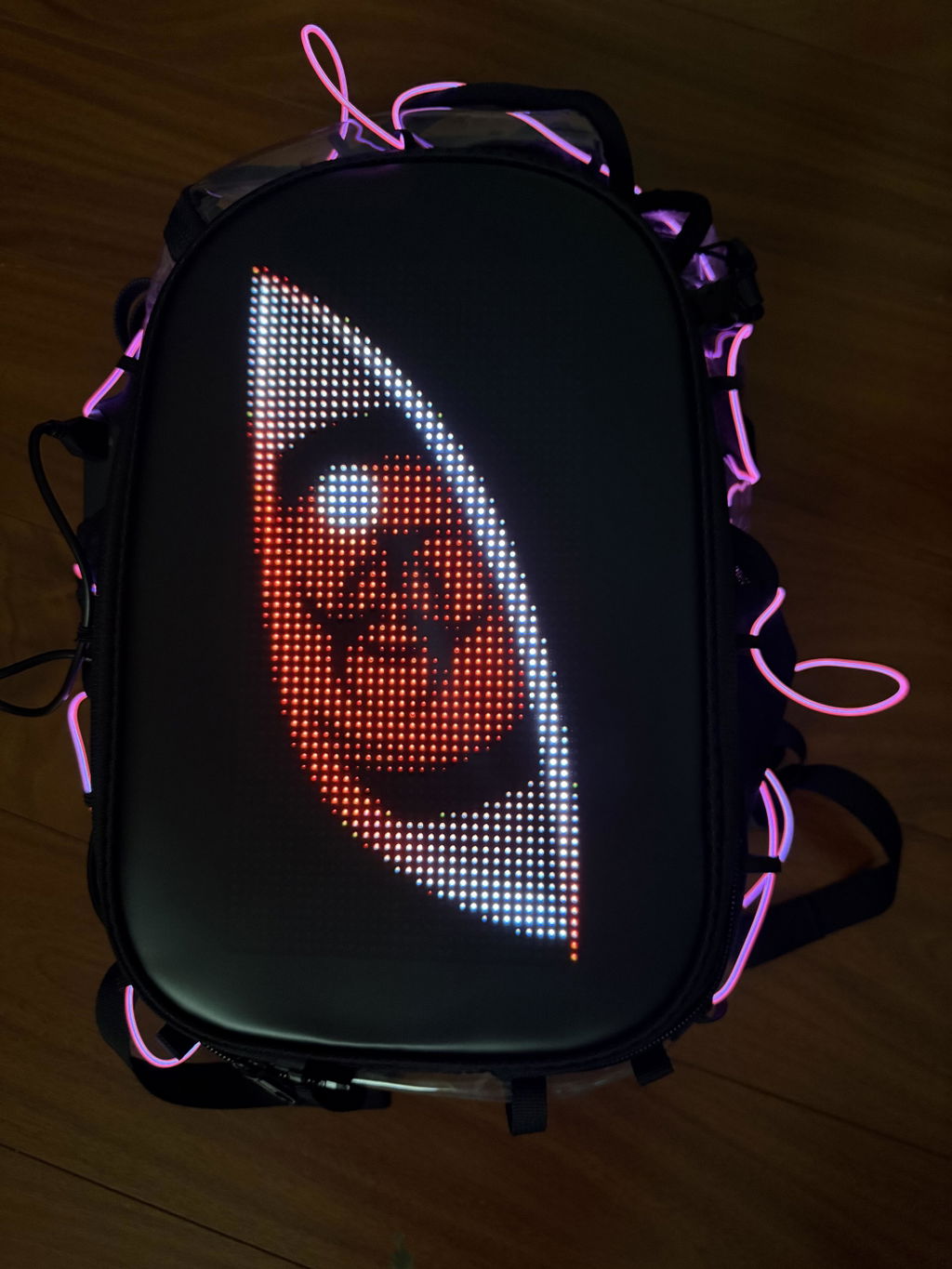
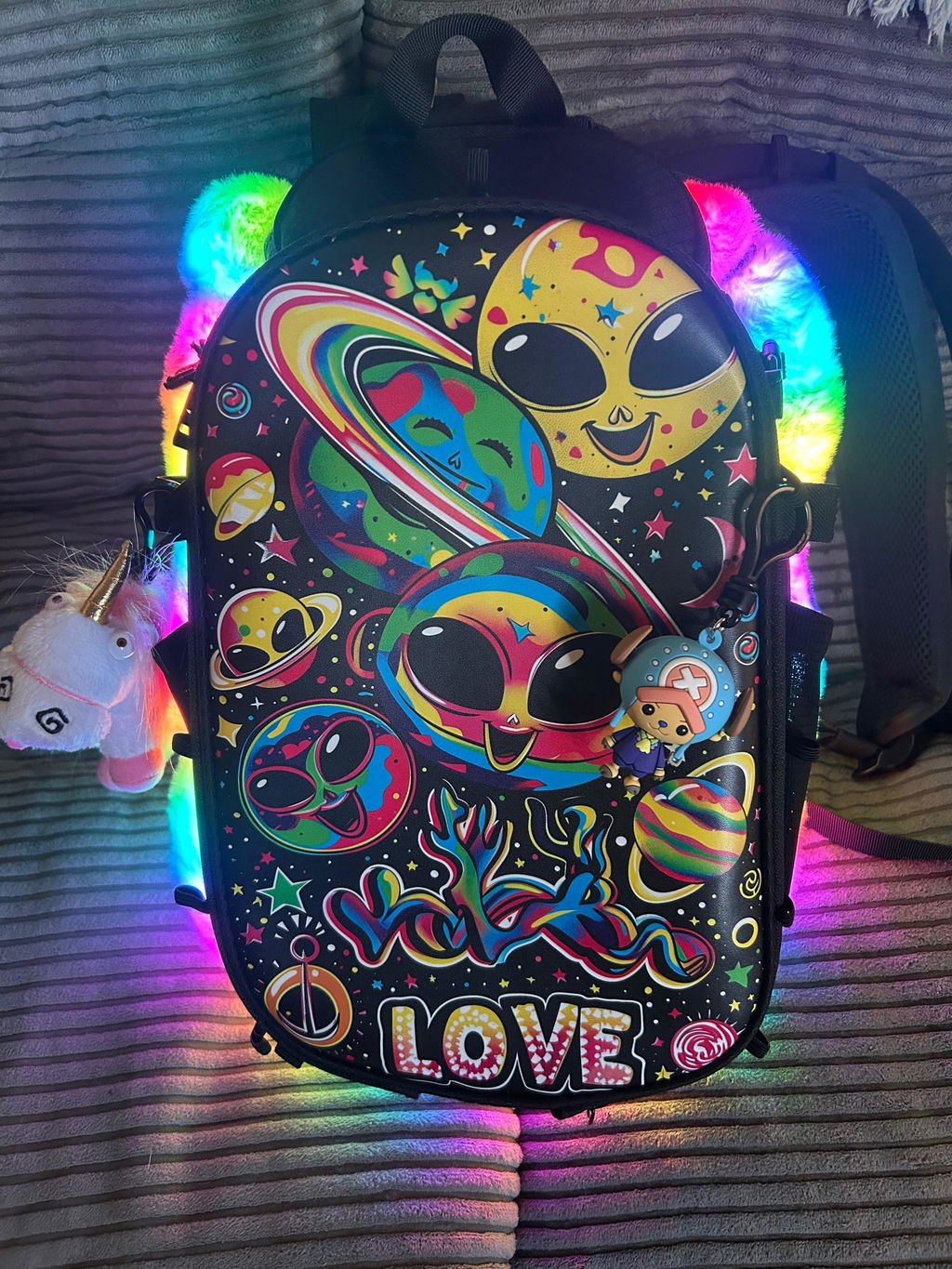
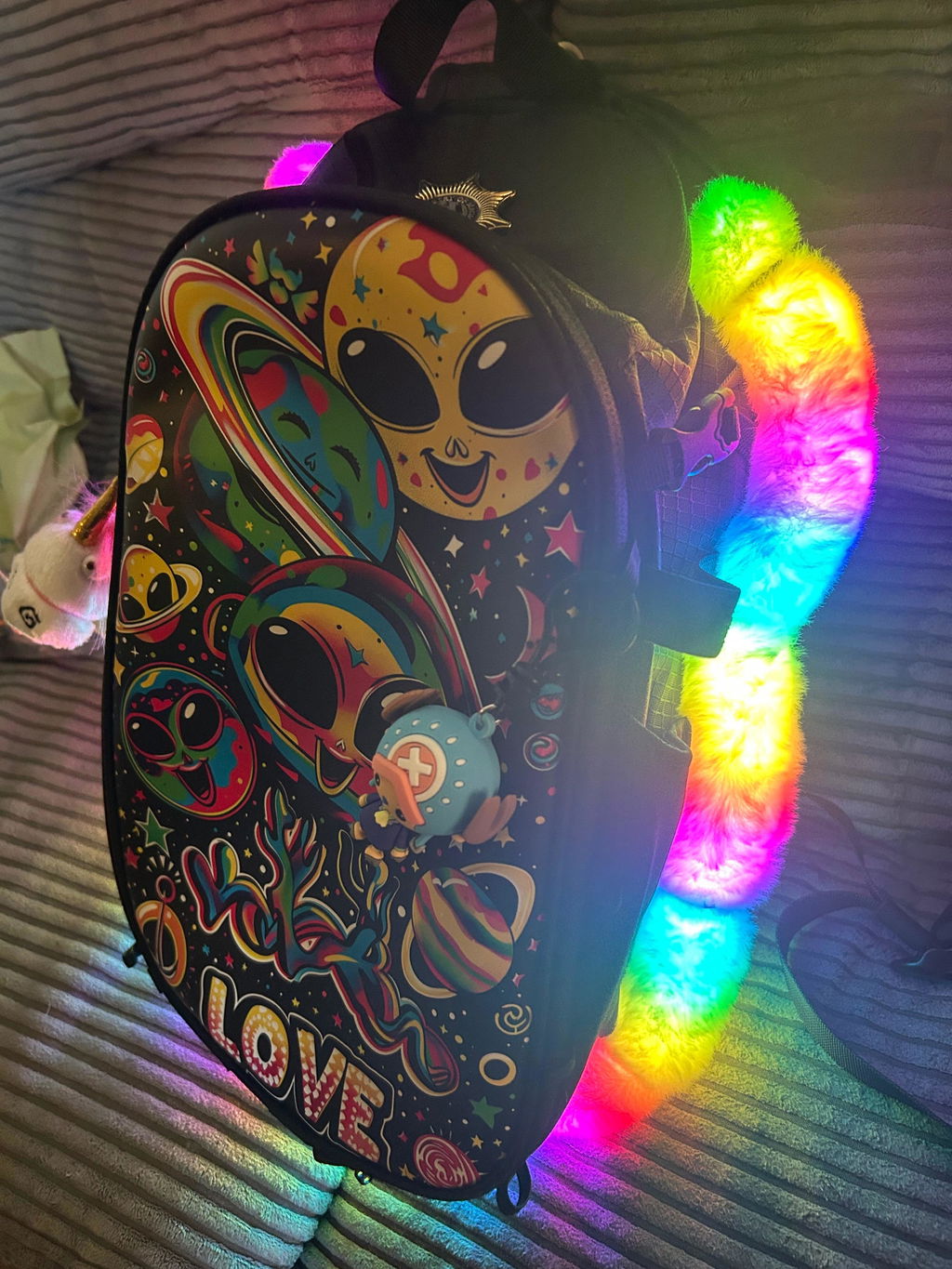
A rave backpack shouldn't clash with your meticulously planned outfit, nor should you need to buy a different bag for every single event. The community demanded gear that could adapt to their changing style. Customizable elements, interchangeable panels, and dynamic LED displays allow a single high-quality hydration pack to match different aesthetics all year round.
5. The Evolution of Self-Care: Hydration as a Badge of Honor
Perhaps the healthiest and most positive shift in festival culture over the last decade is the complete normalization of harm reduction and radical self-care.
In the older days of the scene, taking breaks, drinking water, and worrying about hearing protection were occasionally looked down upon. Staying up all night on zero sleep and pure adrenaline was romanticized.
Today, the community has grown up. Pacing yourself, protecting your body, and looking out for your friends is the ultimate definition of the PLUR (Peace, Love, Unity, Respect) spirit.
|
Self-Care Category |
Past Attitude |
Modern Attitude |
|
Hearing Protection |
"The music isn't loud enough!" |
High-fidelity earplugs are mandatory gear |
|
Hydration |
Buying overpriced single water bottles |
Carrying a dedicated pack, sharing hydration |
|
Harm Reduction |
Taboo topic, hidden away |
Open dialogue, testing kits, sanctuary tents |
|
Footwear & Rest |
Suffer for fashion, blistered feet |
Supportive shoes, scheduling time to sit and chill |
High-fidelity earplugs are now proudly worn by front-row rail-riders. Electrolyte packets are traded like Kandi. And carrying a high-capacity hydration pack is no longer viewed as a utilitarian chore—it is a badge of honor that says, "I am a professional who knows how to take care of business."
Because the act of staying hydrated has become so integrated into the social fabric of the festival weekend, the gear responsible for it had to step up its game. It could no longer look like a generic hiking backpack meant for a lonely mountain trail; it needed to feel native to a world of lasers and heavy bass.
The New Standard: Gear Built by the Community, For the Community
When you take all of these real-world cultural shifts into account — the screen distractions, organized phone theft, the demand for customizable fashion, and the growing focus on self-care — it becomes clear why old-school, generic backpacks no longer fit modern festival culture.
Today’s ravers need more than a basic hydration bag. They need a festival-ready rave backpack designed for movement, comfort, hydration, security, and self-expression all at once.
That is exactly why RaveBeetle was created.
Founded by close friends who met through the festival scene, RaveBeetle was built around the real needs of modern ravers — creating rave backpacks that actually work in today’s festival environment rather than repurposing generic outdoor gear.
Different festival experiences call for different setups. For those who prefer to keep things light and mobile, a compact option like the Elytra AIR Hydro Pack keeps the essentials close without adding unnecessary weight, making it easier to move comfortably through dense crowds.
For an even more streamlined setup, the FLOWt Pack is built specifically for movement. Lightweight, compact, and designed with dancers and minimalists in mind, it offers just enough space for the essentials while features like swappable wings help personalize your look without overcomplicating your setup.
For longer festival days or those who prefer carrying extra layers, personal items, or group essentials, the Elytra Hydro Pack offers more storage flexibility while still maintaining the comfort, hydration support, and anti-theft functionality expected from a modern rave backpack.
Because modern festival gear should not force people to choose between practicality and individuality. The best rave backpack should help you stay prepared, protected, hydrated, and fully immersed in the experience from start to finish.
The Magic Hasn't Disappeared—It Just Demands Better Prep
It is easy to look back at the past and sink into a state of cynical nostalgia. It’s easy to complain about the corporate sponsors, the influencers, the phone thieves, and the sea of glowing screens.
But the truth is, the core magic of electronic music culture—that surreal, breathtaking moment when the bass hits your chest and tens of thousands of beautiful strangers move in perfect, unified rhythm—is still very much alive. The community is still incredibly kind, inclusive, and passionate.
The culture hasn't been ruined; it has simply grown up, and the stakes are higher. Navigating a massive modern festival successfully simply requires a better strategy.
By taking care of your body, protecting your valuables with smart design, and choosing to live in the physical moment rather than through a digital screen, you are doing your part to protect the culture we love. Pack smartly, look out for the people around you, and we’ll see you on the dance floor.