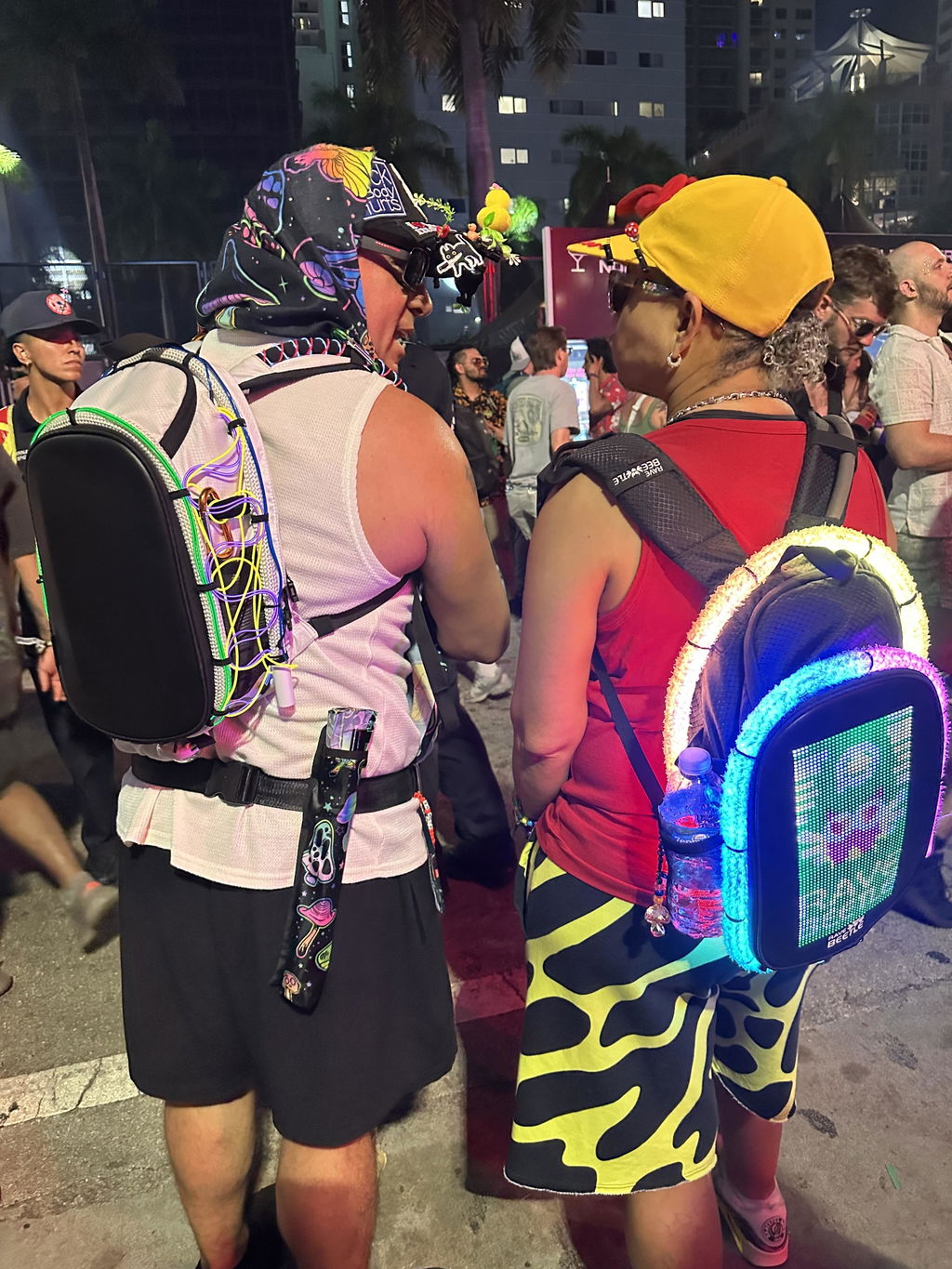
Festival bag policies look simple on paper, yet every event season, long security lines prove otherwise. People arrive with the wrong size backpack, a hydration pack with too many pockets, or a cute mini bag that quietly breaks the venue’s rules. Then security steps in, the line stalls, and a great day starts with stress.
Most of the time, the problem is not bad intent. It is a mismatch between what guests think should be allowed and what the venue can screen quickly and safely. Once you see bag policies from the security side, the logic becomes much easier to read, and much easier to prepare for.
Why festival backpack policies exist and why security stops happen

Festival security is built around speed, visibility, and risk reduction. Staff need to assess thousands of people in a short window, often in heat, low light, or high-noise conditions. A bag that takes ten extra seconds to inspect may not sound like much, but multiplied across a crowd, those seconds create real bottlenecks.
That is why many policies are blunt. They may limit bag size, require clear material, or allow hydration packs only if the reservoir is empty upon entry. The goal is not elegance. The goal is a fast, repeatable screening process that lowers the chance of prohibited items entering the venue.
People often get stopped for reasons that feel small to them but look big to security. A bag with several hidden compartments can slow an inspection. A hydration pack with dark lining makes visibility harder. A bag that appears compact may still exceed the posted dimensions once it is fully packed. Security staff are trained to act on what they can verify quickly, not on what the owner intended.
The most common festival backpack rules to check before go
Policies vary from event to event, though the same themes show up again and again. Most festivals publish bag details on their website, app, FAQ page, or entry guide. If the event has a venue partner, check both sets of rules. Stadiums, fairgrounds, and city parks often layer their own restrictions on top of the festival’s published policy.
The most common friction points are size, material, pocket count, hydration reservoir rules, and whether the bag can be searched without unpacking half your gear. This is where a quick comparison helps.
|
Policy area |
What many festivals allow |
Why people get stopped |
|
Small bags |
Usually a compact clutch, fanny pack, or small crossbody |
Bag looks small but exceeds max dimensions |
|
Clear bags |
Clear plastic, vinyl, or PVC within stated size |
Tinted panels, opaque trim, or non-clear pockets |
|
Hydration packs |
Empty reservoir, often limited extra pockets |
Too many compartments or water already inside |
|
Backpacks |
Often restricted or not allowed at all |
Standard school backpack brought by habit |
|
Metal chains and bulky accessories |
Frequently discouraged or banned |
Decorative attachments trigger added screening |
|
Large cosmetic cases or pouches |
Sometimes allowed if easy to inspect |
Dense, overpacked items slow the search |
A smart move is to screenshot the exact policy before you leave home. Cell service around major venues can be unreliable, and gate staff will enforce the written rule, not a memory of what another festival allowed last year.

Why certain festival backpack trigger extra screening
Security staff are not only checking whether a bag is technically allowed. They are also judging how difficult it will be to search. Two bags with the same dimensions can receive very different treatment if one is simple and the other is cluttered, layered, or hard to see through.
That explains why some people breeze through while others get pulled aside. A visually busy bag can create uncertainty, and uncertainty invites a second look.
Common triggers include:
● Too many zippers
● Bulky outer attachments
● Dark interior lining
● Hidden sleeves or false bottoms
● Dense packing that blocks visibility
● Non-empty hydration bladders
The lesson is practical: compliance is about design and packing habits, not just measurements.
Clear bags, hydration packs, and small backpacks
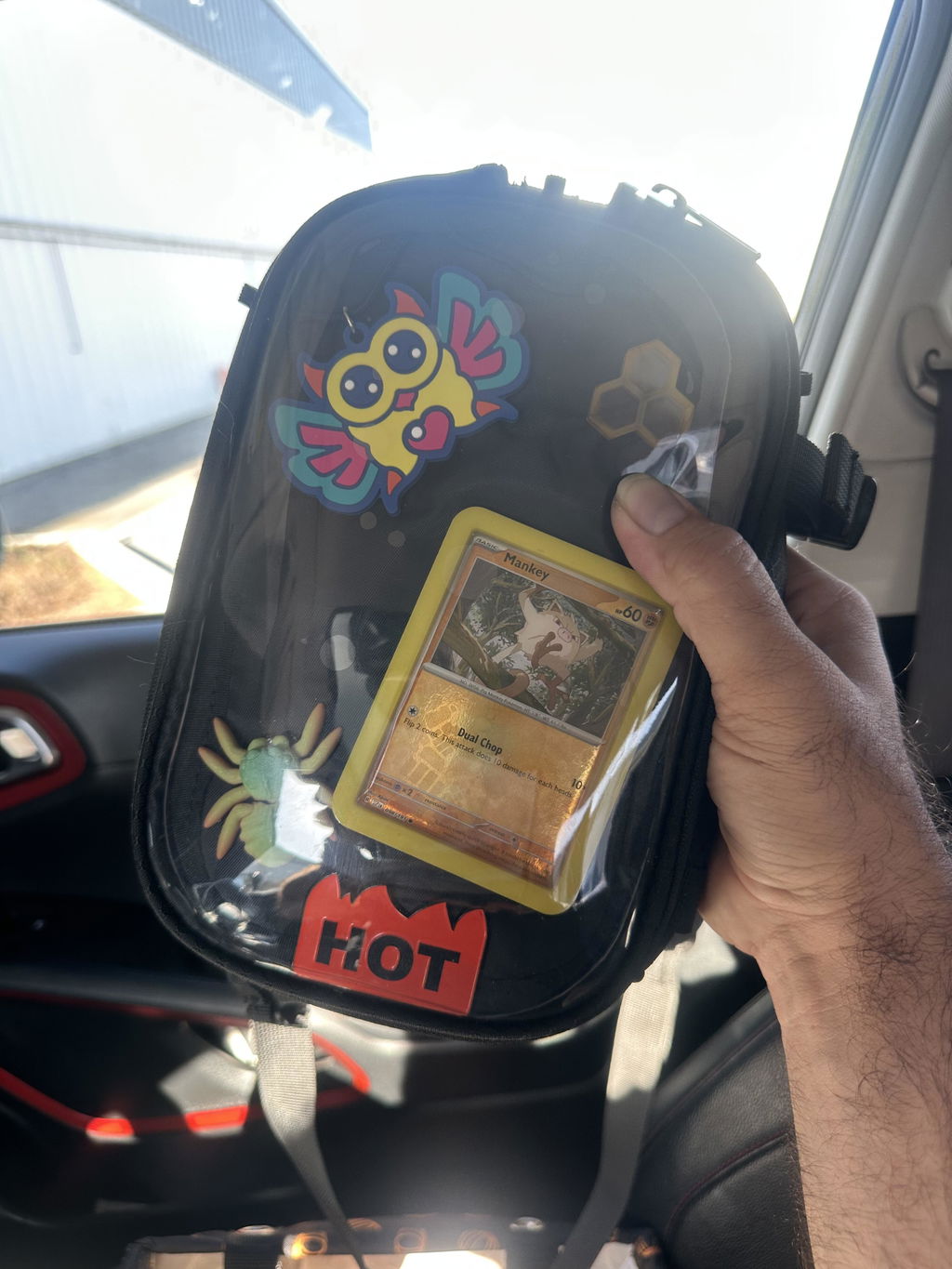
Clear bags have become popular because they reduce inspection time. Security can see a lot before the zipper even opens, which helps move lines faster. Still, “clear” is not always as clear as people assume. Colored edging, mesh side pockets, large fabric panels, and decorative overlays can all cause issues if the policy requires a mostly transparent bag.
Hydration packs sit in a more complicated category. They are popular because they support long hours of dancing, walking, and heat exposure. Festivals know hydration matters, especially during warm-weather events. Yet hydration packs are also larger than a simple waist pack and often include tubes, sleeves, and multiple compartments. That mix of utility and complexity is exactly why they are frequently regulated more tightly than standard bags.
A lot of guests also assume that if a hydration pack is sold for festivals, it must be accepted everywhere. That is not how venues think. One event may allow a hydration pack with two pockets. Another may allow only a single additional compartment. Another may require the bladder to be completely removed for inspection. A well-designed festival pack can make compliance easier, but it does not replace checking the event’s rules.
Small backpacks are where many people get caught. They feel practical, and plenty of them seem no larger than a hydration bag. Yet if the policy says “no backpacks,” staff usually interpret that literally. Shape matters, not only storage volume. A compact backpack silhouette may still be rejected even if it carries less than an allowed crossbody or hydration pack.
How festival security staff actually make decisions
At the gate, staff are making fast judgment calls. They are not conducting a long review of your bag’s purpose, price, or fashion value. They are asking simpler questions: Is it allowed? Can I inspect it quickly? Does anything about it require a closer look?
That is why two people with similar bags can have different experiences at adjacent lanes. One staff member may ask for a brief visual inspection. Another may request a full empty-out if the packing looks dense or the compartments feel unusual. This is normal gate variability, not always inconsistency.
A few security priorities show up almost everywhere:
● Visibility: Bags that reveal contents quickly are easier to approve.
● Access: Wide openings and simple pocket layouts speed up screening.
● Consistency: Staff rely on posted limits because those limits are defensible and repeatable.
● Risk cues: Unusual bulk, rigid inserts, and concealed sections invite extra inspection.
● Flow: Security teams are under pressure to keep the line moving without missing obvious problems.
Knowing this changes how you prepare. The goal is not only to bring an allowed bag. The goal is to bring a bag that is easy to clear.
Choosing a festival bag that works with style and policy
Festival culture has always been about balancing self-expression with practicality. You want a bag that matches your vibe, carries the essentials comfortably, and still feels good after hours of dancing, walking, and moving through crowded venues. The best festival backpacks are designed to support all of it.
That is exactly what we had in mind when creating RaveBeetle.
Born from friendships built through festival culture, RaveBeetle was created around a simple belief: staying hydrated should never mean sacrificing style, individuality, or affordability. Our festival-ready packs are designed for real event experiences, combining hydration support, anti-theft storage, lightweight comfort, and customizable features that let you express your own vibe.
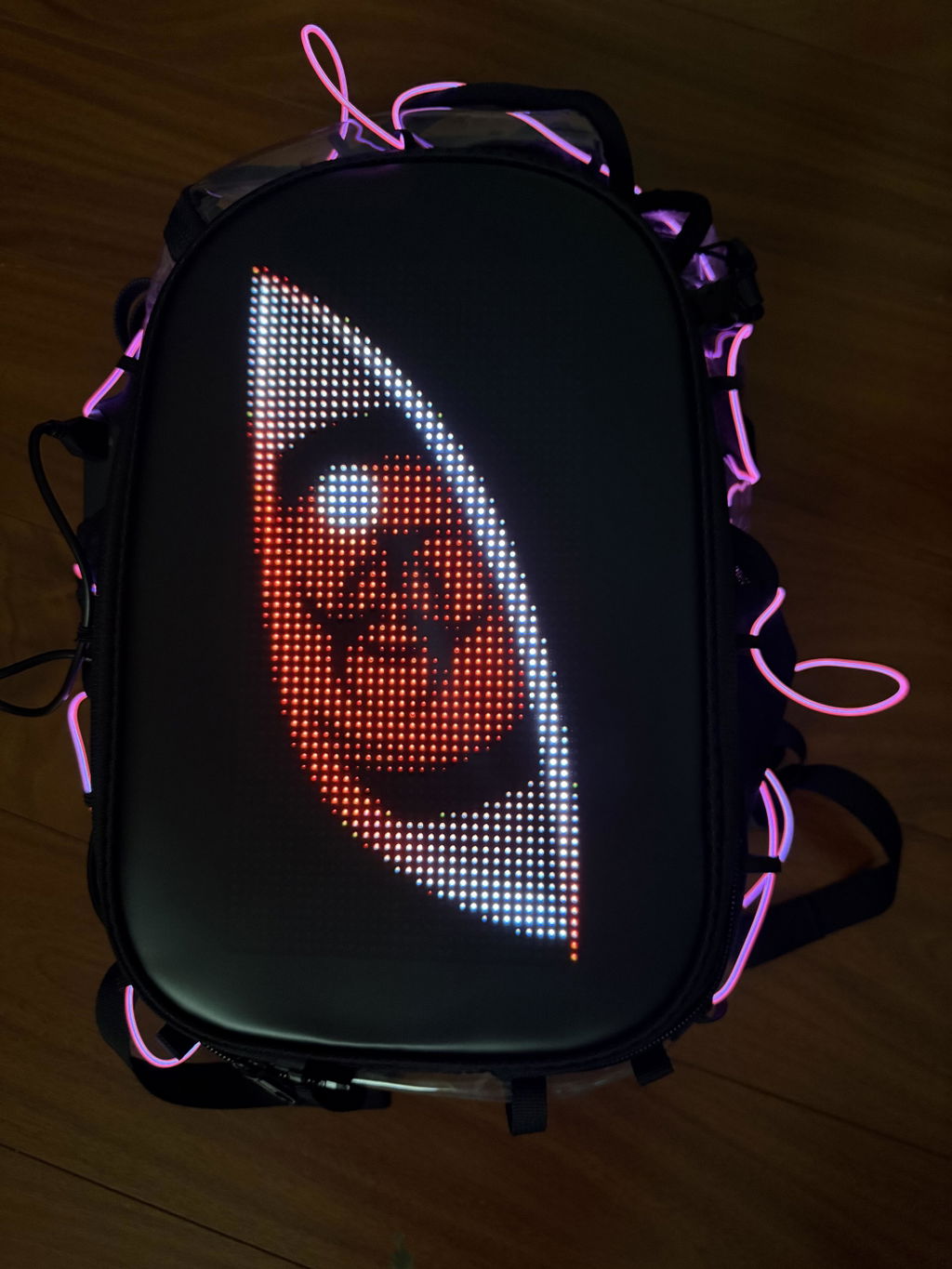
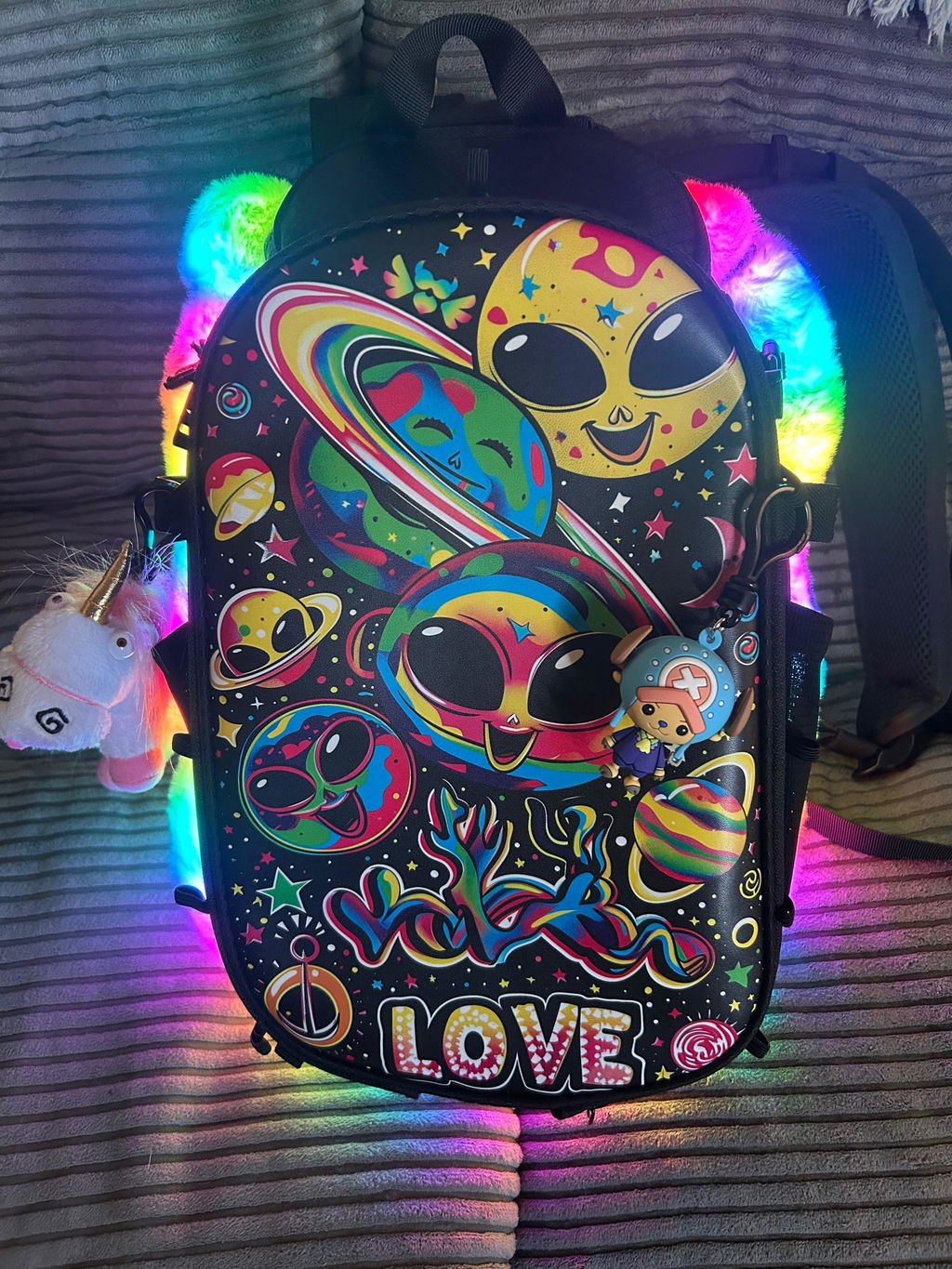
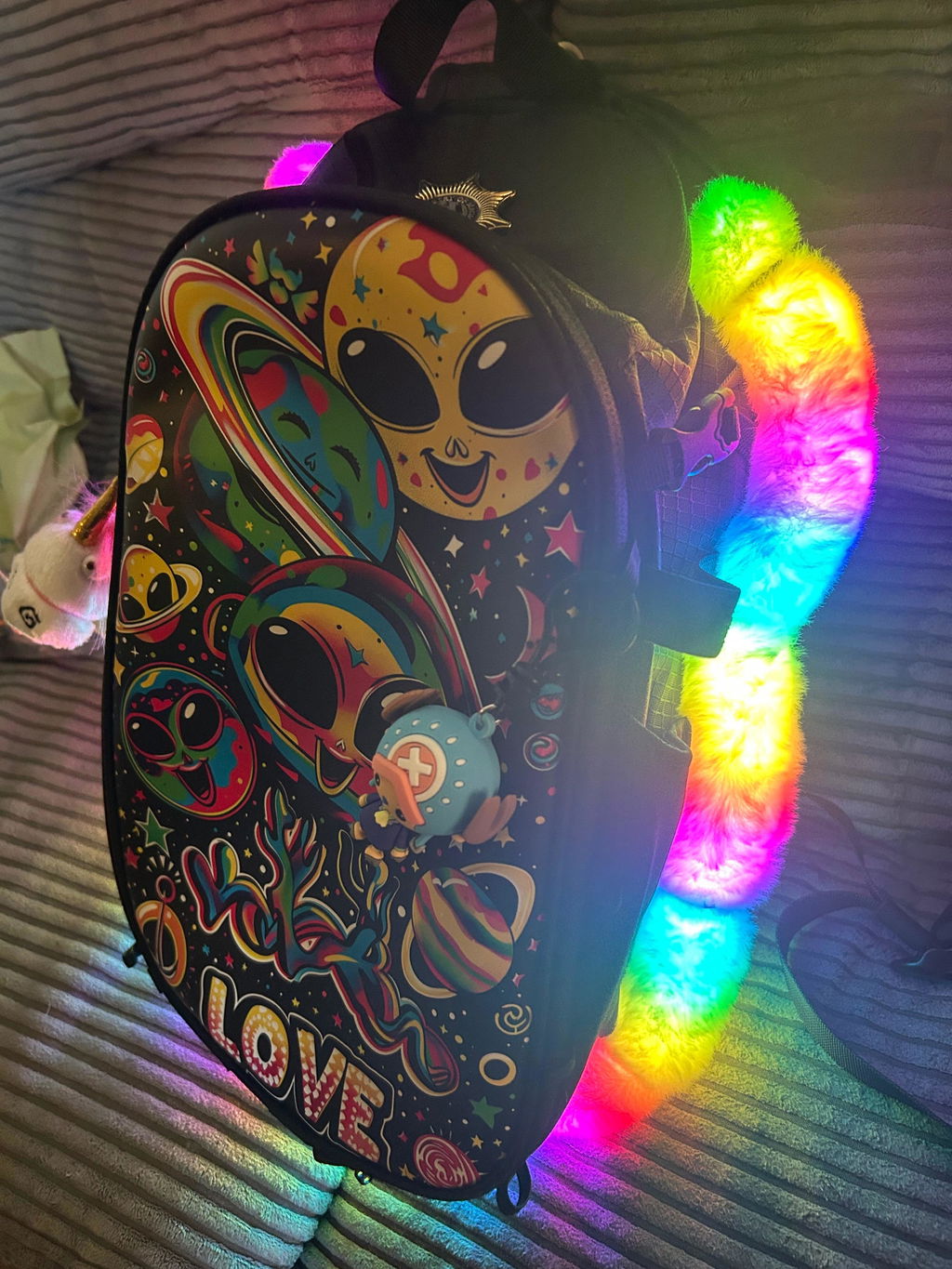
From swappable vibe prints and interchangeable wings to LED options on select designs, every detail is made to bring personality into your festival setup while still being practical for long nights, busy crowds, and venue entry requirements.
Because the perfect festival backpack is not only about getting through security more smoothly. It is about helping you stay comfortable, expressive, and fully immersed in the music from start to finish.
Festival bag features that help you get through security faster
Good design cannot override a venue rule, though it can reduce friction when the bag is permitted. A few features tend to work well across many events.
Useful features include:
● Simple pocket layout: Fewer compartments mean faster searches.
● Wide opening: Security can inspect contents without digging.
● Empty hydration reservoir: Easier entry and easier compliance.
● Anti-theft storage: Hidden valuables stay protected once you are inside.
● Lightweight build: Comfort matters after hours of movement.
Style still matters, and it should. Raves and festivals are social, visual, and deeply personal spaces. The best gear supports that energy instead of flattening it.
Festival backpack packing habits that reduce security delays
Even the right bag can create problems if it is packed badly. Security delays often come from clutter, not the bag itself. A clean packing method makes a visible difference at the gate and helps you find what you need inside the event.
Before you leave, run through a short routine:
- Empty your hydration bladder completely.
- Move loose items into one easy-to-open pouch.
- Put metal accessories in places that are simple to inspect.
- Remove anything prohibited instead of hoping it gets through.
- Keep your phone, ID, and ticket where you can reach them fast.
This small routine can shave minutes off entry time and lower the chance of a bag check turning into a full repack on a folding table near the gate.
What to do if your festival backpack is rejected at the gate
Rejection does not always mean the day is ruined, though it can feel that way in the moment. The best response is calm, direct, and practical. Ask whether the issue is size, material, pocket count, or a specific item inside. The more precise the reason, the faster you can decide on your next move.
Some venues offer lockers, off-site storage partners, or a return-to-car option. Others do not. If you traveled light and planned ahead, shifting into backup mode is manageable. If you arrived with a large non-compliant bag holding everything, the problem becomes much harder.
This is why a backup plan matters. Bring only what you truly need. If you are trying a new bag for the first time, check the policy twice and compare the listed dimensions with the bag’s actual measurements when full, not empty.
Festival backpack checklist before you leave home
The easiest security experience starts hours before the gate opens. A final pre-departure check catches most problems while they are still easy to fix.
Give yourself one last review:
● Policy screenshot saved
● Bag measured while packed
● Hydration bladder empty
● Prohibited items removed
● ID and ticket ready
● Essentials packed visibly
A festival backpack should support the night, not complicate the first hour of it. When the bag fits the policy, the packing is clean, and the design works with real venue rules, security becomes much less dramatic. You spend less time at the gate and more time where you wanted to be in the first place: hydrated, comfortable, and fully in the music.
The Right Festival backpack Makes the Entire Experience Better
A good festival backpack should do more than simply meet venue requirements. It should help you move comfortably through the event, keep your essentials secure, support hydration, and still feel like part of your personal style.
At RaveBeetle, festival culture is at the core of every design. Created by friends who met through the rave community, the brand was built around a simple idea: staying hydrated at festivals should not mean sacrificing style, individuality, or affordability.
That mindset continues across every festival pack. From hydration-ready storage and anti-theft compartments to customizable vibe prints, wings, and LED features on select models, each design is made for real festival experiences and long nights on the dance floor.
Whether you prefer a lightweight minimalist setup or a larger hydration pack built for all-night events, RaveBeetle focuses on combining comfort, functionality, and self-expression in one festival-ready design.
Because the best festival pack is not only about getting through security more smoothly. It is about helping you stay comfortable, confident, and fully immersed in the music once you are inside.
Stay hydrated. Stay unique. Keep dancing with RaveBeetle.