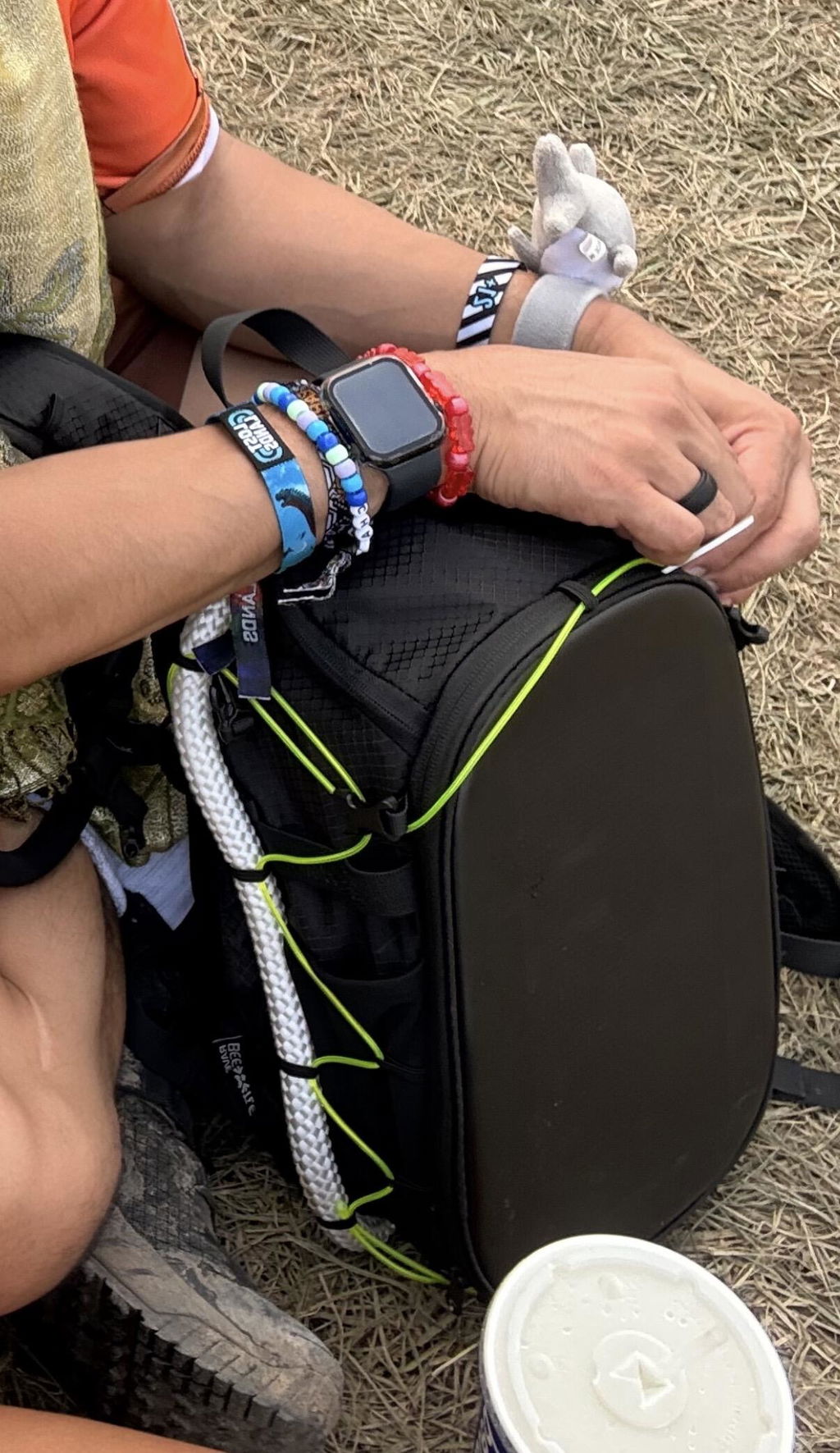
Music festivals are built on trust: strangers trading kandi, friends sharing water, and whole crowds moving like one organism when the beat hits just right. That openness is a big part of the magic.
It also creates opportunity for pickpockets. The good news is that you do not need to turn into a suspicious person to protect yourself. You just need a few smart defaults, and gear that supports them, so your attention stays on the music.
Why pickpocketing happens even in the best crowds
A dense crowd gives cover. People bump into each other constantly, hands are raised, and everyone’s focus is split between friends, lights, and sound.
Many festival outfits also have limited storage. When a phone is sitting in a loose pocket or a bag pocket that faces outward, it is basically pre-packed for someone else.
The goal is not “perfect security.” The goal is to make your stuff annoying to steal and easy for you to keep track of.
What pickpockets count on (and what breaks their plan)
Most theft at festivals is fast and quiet. It is less about force and more about speed, distraction, and access.
They look for a few simple conditions: visible valuables, easy openings, and moments where you are mentally elsewhere. Think set transitions, bathroom lines, entry chokepoints, and the packed middle of a crowd when the drop lands.
After you see the pattern, prevention becomes pretty practical.
A quick scan for these red flags can save you a lot of pain later:
● Loose phone in a back pocket
● Backpack zippers facing behind you
● Open totes or bags with no closure
● People pressing in hard with no obvious reason
● Someone “helpful” who keeps touching your waist or bag
Reduce risk by designing your carry, not your paranoia
The simplest anti-pickpocket strategy is to stop carrying valuables in places that strangers can reach without you noticing.
That means two things:
First, put your essentials in zones you can naturally guard, like the front of your torso or inside compartments that sit against your back.
Second, make access a two-step process. A zipper that is covered by a flap, routed under a strap, or placed on the body side of a pack adds just enough friction that thieves move on to easier targets.
You are not trying to win a fight. You are trying to win a cost-benefit calculation.
Why an anti-theft hydration pack is a festival “cheat code”
Hydration packs solve a comfort problem and a safety problem at the same time. You carry water without holding it, and you get structured storage that stays with your body through movement.
The anti-theft part is about layout. A well-designed festival hydration pack typically protects you in three ways:
● The most important pocket is not easy to access from behind
● Zippers and openings are harder to “pinch” in passing
● Your phone and wallet stop living in clothing pockets entirely
If you already wear a hydration pack for long nights, switching to one built with secure storage is one of the highest impact upgrades you can make.
What to look for in a pack (and why it matters)
A lot of packs look similar online. In a crowd, small design choices matter.
Here is a practical way to evaluate features before you commit:
|
Feature |
Why it helps in a crowd |
What “good” looks like |
|
Hidden or body-side pocket |
Forces access from your side, not from behind |
Pocket opening sits against your back or under a flap |
|
Covered zippers |
Reduces quick zipper pulls |
Zippers tucked under fabric, not exposed |
|
Snug fit and straps |
Limits pack shifting and “reach-in” angles |
Adjustable shoulder and sternum straps |
|
Minimal external dangling |
Less grab points |
Clean front, tidy straps |
|
Dedicated phone/wallet zone |
Keeps essentials in one protected place |
Small secure pocket that you can check by touch |
A hydration pack can also support self-expression. Many ravers want gear that matches the outfit, the theme, or the mood of the night, not something that looks like hiking equipment. When your pack feels like part of your look, you actually wear it correctly all night, and that consistency is security.
A practical example: how design reduces risk
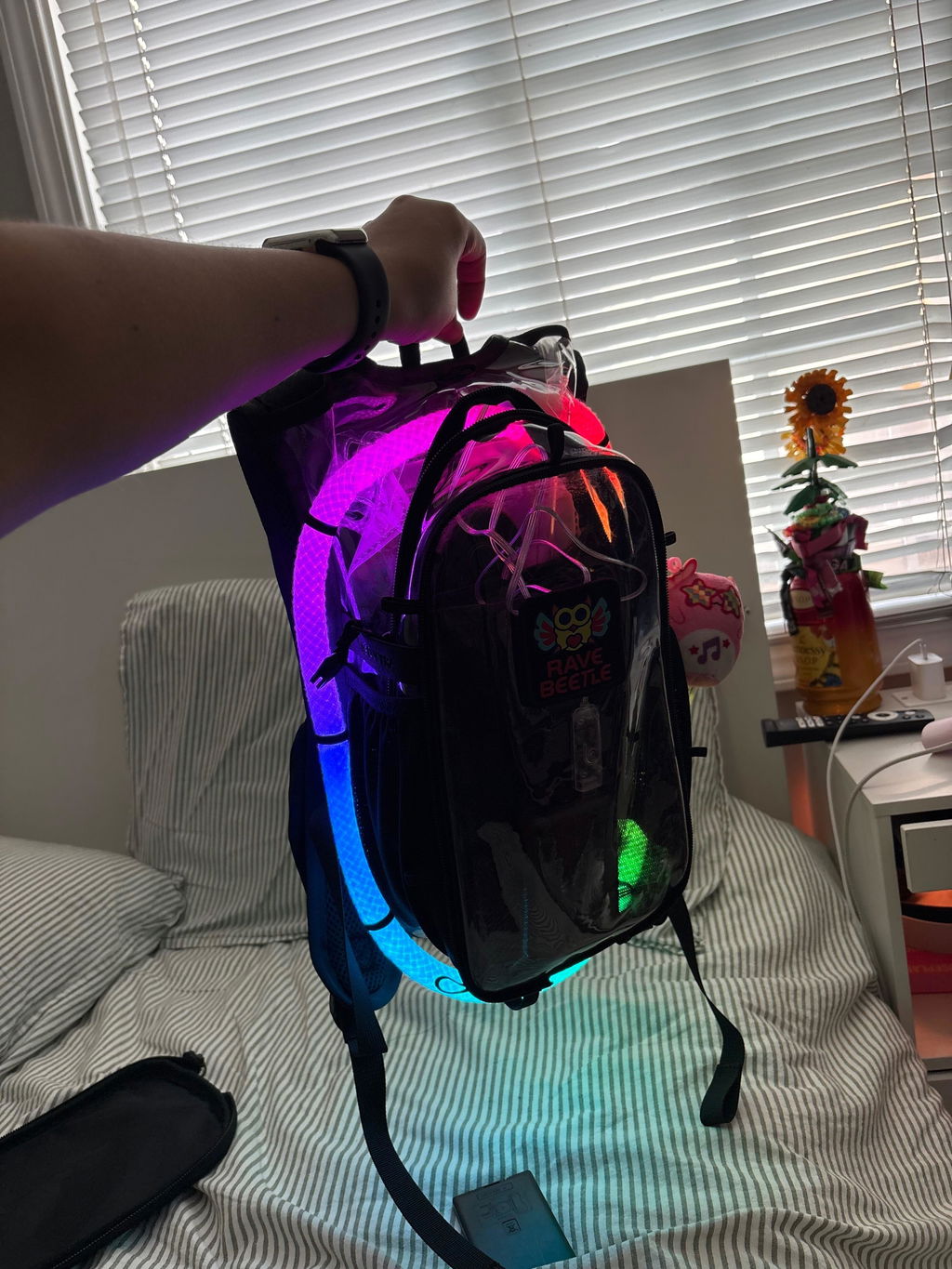
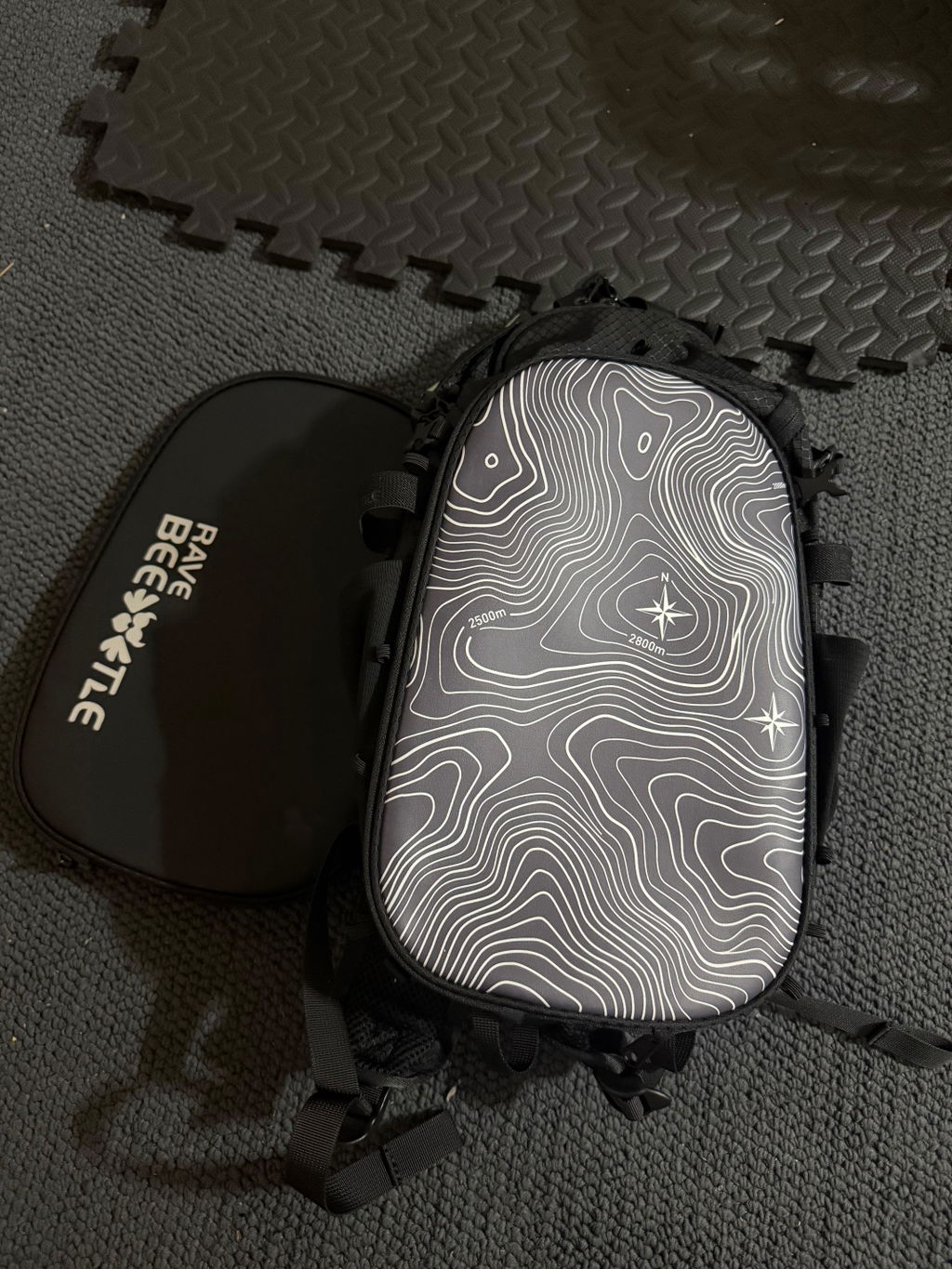
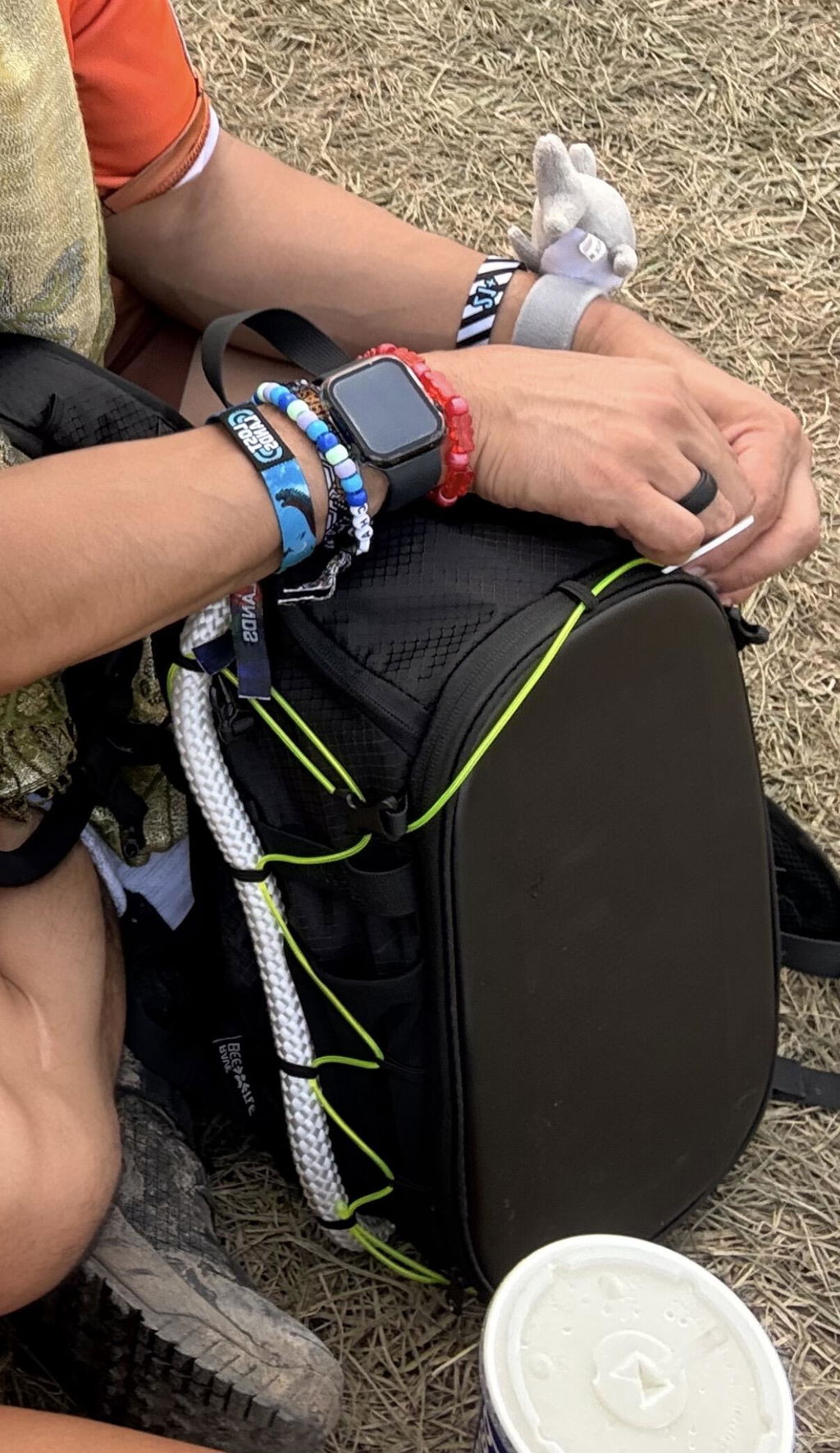
One good example of this approach is the Elytra Hydro Pack——Our flagship festival pack.
It’s designed around a simple idea: your essentials shouldn’t be easy to see, easy to reach, or easy to open in a crowd.
Instead of relying on obvious outer pockets, it uses a hidden safe compartment placed behind a mesh layer, which keeps valuables out of sight and harder to access in passing. Your phone sits in a snug shoulder strap pocket, so you can always feel where it is while moving through dense crowds, instead of leaving it somewhere behind you.
There’s also a buckle-secured zipper system, which adds an extra step to opening the bag. That small bit of resistance is often enough to stop quick, opportunistic grab attempts — the kind that most festival theft relies on.
And when you think about what you’re actually carrying — a $1000+ phone, cards, keys, power bank — the goal isn’t perfect security. It’s making your belongings not worth the effort compared to easier targets.
With secure pockets and hidden openings working together, packs like this shift the odds back in your favor, so you can focus less on your stuff and more on the experience.
Setting up your pack so theft becomes difficult
Anti-theft features work best when you load the pack with intention. If you toss valuables into random pockets, you recreate the same vulnerability you had with clothing pockets.
Before you leave for the venue, take three minutes and set your defaults. The aim is “same item, same place, every time,” so you can confirm what you have without digging around.
Use this setup flow:
● Choose your “do-not-lose” pocket: Put phone, cards, and ID in the most protected pocket and commit to it.
● Stage your payments: Keep one card accessible for quick buys; keep everything else deeper.
● Remove temptation: If a pocket is easy for you to access while walking, it is also easy for someone else in a crowd.
● Do a touch-check routine: Practice tapping the pocket area while walking so it becomes automatic.
One small habit helps a lot: when you stop to take a photo or video, do a touch-check right after you put your phone away. That is a common moment when phones disappear, because attention is still on the stage.
Phone protection without turning your night into a tech project
Phones are the number one target because they are high value and easy to resell. Your best defense is a combination of carry position and recovery options.
Start with carry position: your phone should not live in a back pocket, and it should not sit in an outer backpack pocket that faces the crowd. Put it in a secure compartment that you can protect with your body.
Then handle recovery:
● Enable Find My iPhone or Find My Device before you arrive
● Use a strong passcode, not a simple 4-digit code
● Turn on cloud backups for photos so the memories are not trapped on one device
If you like tethers or phone straps, treat them as backup, not the main plan. A tether helps if you drop your phone. It does not fix an easy-to-open pocket.
Cash, cards, and ID: carry less, separate the rest
Festivals create a weird mix of needs: you want quick access for food and merch, but you also want real protection for your primary payment methods and identification.
A clean approach is to split items by consequence.
Low consequence items are things you can replace fast, like a small amount of cash or a secondary card with spending limits. High consequence items are your ID, your main bank cards, and anything tied to travel.
Keep high consequence items in the most secure pocket, and keep low consequence items in a spot that is convenient but still controlled.
A minimalist carry plan also reduces how often you open compartments in public.
 Crowd positioning that quietly protects you
Security is not only about storage. Where you stand changes your risk.
The highest risk zones are choke points: entrance lines, bathroom corridors, bar queues, and packed walkways between stages. Pickpockets love areas where bumping is normal and nobody expects personal space.
In dense crowds, your body can shield your pack. If your valuables are in a body-side pocket, turning slightly so that pocket faces inward toward your own group is a simple, natural defense.
When you feel repeated bumping from behind with no clear reason, do not escalate. Just shift a few feet, tighten your strap, and do a touch-check.
The most powerful anti-theft tool is still the people around you
Rave culture is famous for looking out for each other. That spirit is real, and it is also practical.
A buddy system does not need to be intense. It can be as simple as agreeing on two check-in moments: once after entry, once after the main set. Add one more check when you leave a crowded stage.
If someone in your group is wearing a hydration pack with secure pockets and hidden zippers, it often helps the whole circle. People stop juggling phones in their hands. Fewer items get set down and forgotten. The group moves with less chaos.
 A community-first reason these packs exist
Many festival brands start because someone got tired of a recurring problem and decided to build a better default.
RaveBeetle’s story fits that pattern. It began as a passion project among friends who met at a festival and wanted to give something back to the scene that gave them so much: a hydration pack that is fun, affordable, customizable, and built for real nights in real crowds. When a pack is designed for comfort, for movement, and for personal style, people actually wear it for the whole night. When it is also designed with secure pockets and hidden zipper placement, the same pack becomes a quiet anti-theft system that does not interrupt the moment.
A quick gate-to-stage routine that keeps you relaxed
Before you step into the first crowd of the night, tighten your straps so the pack sits close to your body. Put your phone and wallet into the most protected pocket and do a quick touch-check. Decide what you will use for quick purchases and keep it separate from your primary cards. Then stop opening compartments casually, especially in dense areas.
After that, let the night be the night. The best anti-theft setup is the one you forget about because it simply works while you dance, hydrate, and stay present.